

Science
How the natural world and the instruments we point at it actually work. These are explainers about mechanisms, written for readers who want the reasoning behind a phenomenon rather than the headline about it.
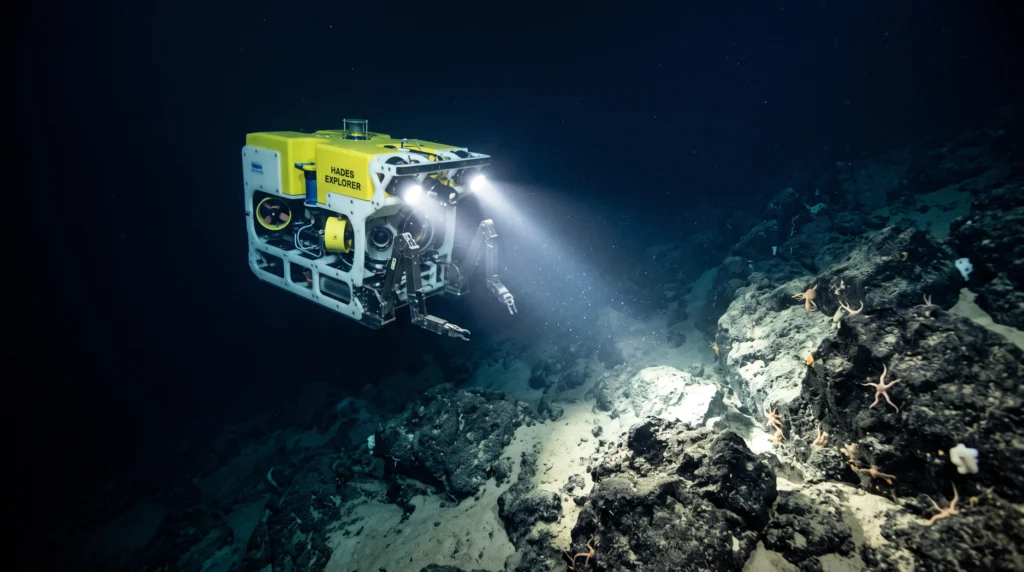
How Deep-Sea Creatures Survive Extreme Pressure and Darkness
Deep-sea animals are not crushed, because there is almost nothing in them to crush. The real limit is molecular, and it stops fish at about 8,200 meters.
Science Stories
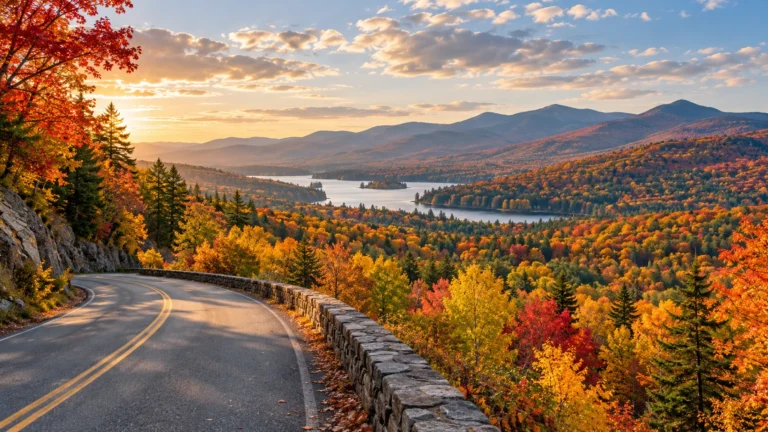
Why Peak Fall Foliage Changes Every Year: 4 Key Factors
Every fall, the same question pops up in road trip group chats: why did peak fall foliage hit in early October last…
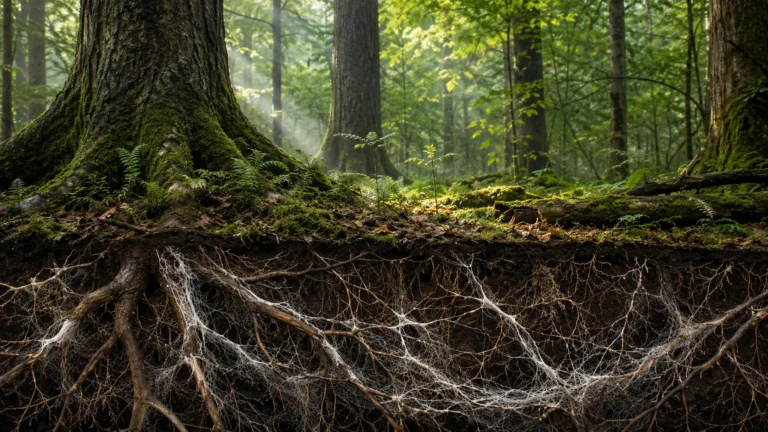
The Wood Wide Web: Can Trees Really Talk Through Fungi?
Kneel in any forest and press your palm flat against the moss. Somewhere beneath your fingers, threaded through the soil like a…
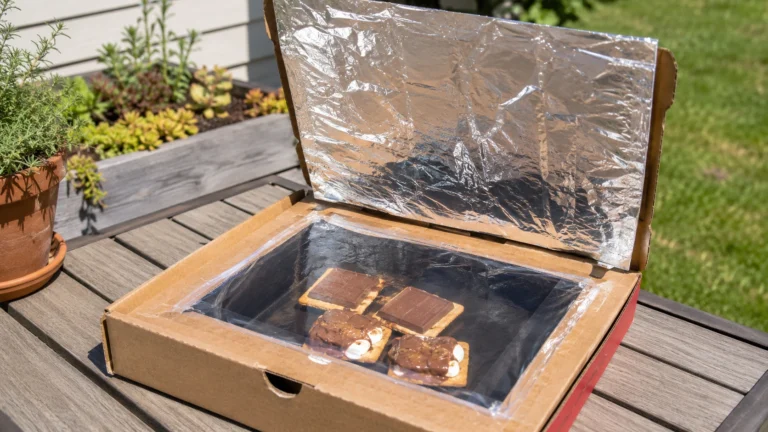
How to Make a DIY Solar Oven That Actually Works
Cardboard, foil, and a sunny afternoon are all it takes to turn sunlight into cooking heat, no matches or electricity required. I’ll…
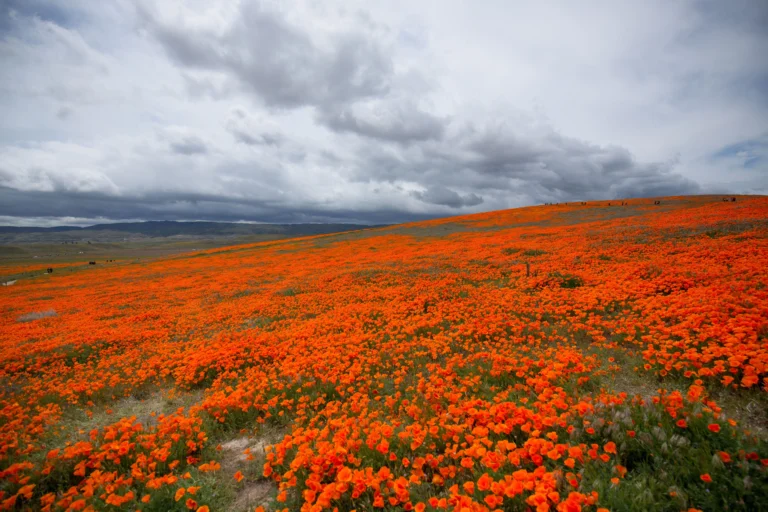
Death Valley Superbloom 2026: When Could the Next One Happen?
If you searched for the Death Valley superbloom 2026 hoping to catch the wildflowers today, here’s the answer up front: the 2026…
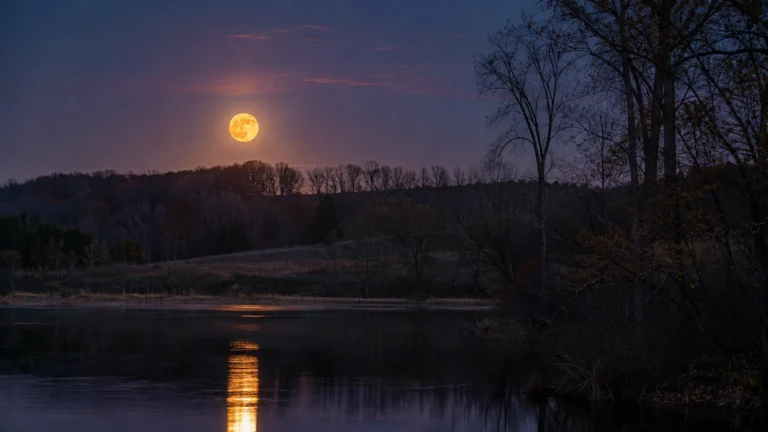
Beaver Moon 2026: Date, Meaning & Best Time to See It
Grab a blanket and clear a spot by the window, because the Beaver Moon 2026 is shaping up to be one of…
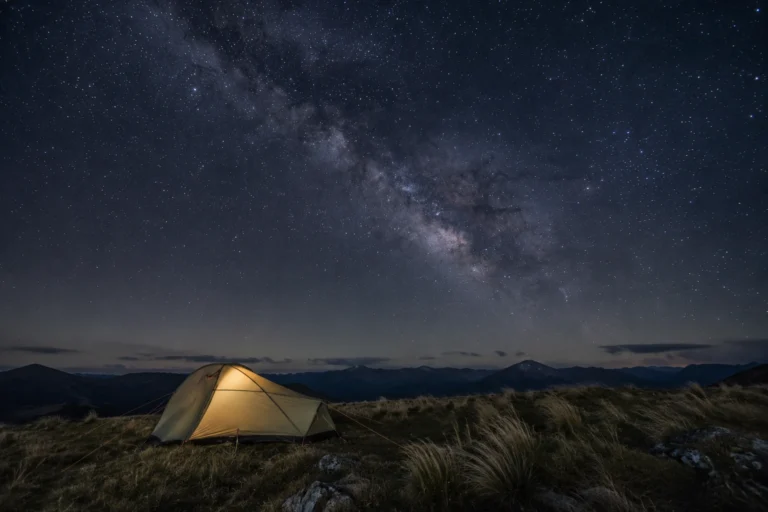
What Causes Wind to Blow? The Science of Air in Motion
Wind is air moving from high pressure to low pressure. That’s the entire mechanism. Everything else, from the gust that flattens your…
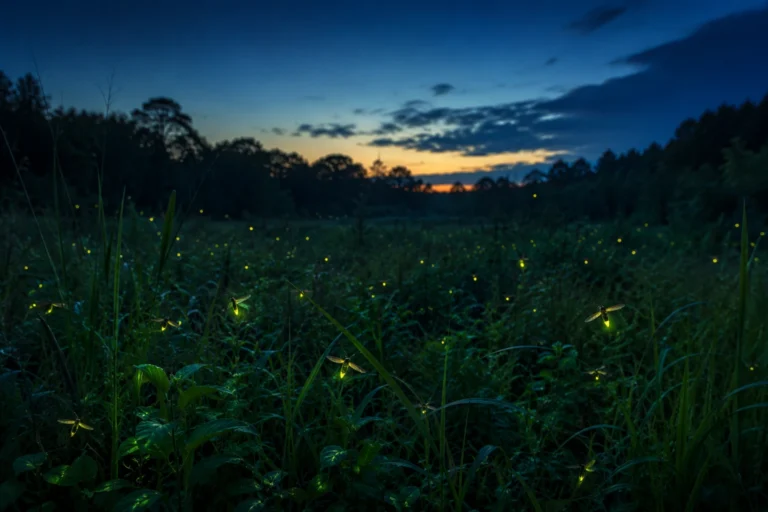
The Science of Fireflies: How Do Fireflies Glow and Why Do They Flash?
Fireflies turn darkness into a language. One flash appears in the grass, another answers from across the meadow, and soon the night…