

Europe doesn’t get enough credit for its wild side. Beyond its famous cities and coastlines, the continent is home to some of the best national parks in Europe, from Iceland’s glaciers and volcanic landscapes to Croatia’s turquoise lakes and Norway’s dramatic mountain valleys.
The best part? Many of these parks are surprisingly accessible, whether you’re arriving by car, train, or a short flight from a major European city. They also make excellent bases for combining hiking with stargazing.
If you’re new to exploring national parks, don’t worry, you don’t need to be a seasoned mountaineer to enjoy most of the places on this list. Some spots are perfect for a gentle day hike, while others are better suited to experienced hikers looking for a serious mountain adventure. We’ll point out the difference as we go.
10 Best National Parks in Europe
We’ve selected these 10 national parks in Europe for their combination of scenery, hiking opportunities, accessibility, seasonal appeal, and variety of experiences, from easy lakeside walks to demanding alpine routes.
| National Park | Country | Best For | Best Time |
| Plitvice Lakes | Croatia | Lakes & waterfalls | May–June, September |
| Jotunheimen | Norway | Alpine hiking | July–August |
| Vatnajökull | Iceland | Glaciers & volcanoes | June–August |
| Picos de Europa | Spain | Mountain hiking | May–October |
| Saxon Switzerland | Germany | Rock formations | Spring–autumn |
| Triglav | Slovenia | Lakes & Alps | June–September |
| Cinque Terre | Italy | Coastal hiking | Spring, early autumn |
| Écrins | France | High mountains | July–August |
| Peneda-Gerês | Portugal | Wildlife & solitude | Spring, autumn |
| Durmitor | Montenegro | Alpine scenery | June–September |
💡 Bottom Line
Europe’s national parks offer very different experiences, so the best choice depends on whether you want easy scenic walks, coastal hiking, or serious alpine terrain.
1. Plitvice Lakes National Park, Croatia
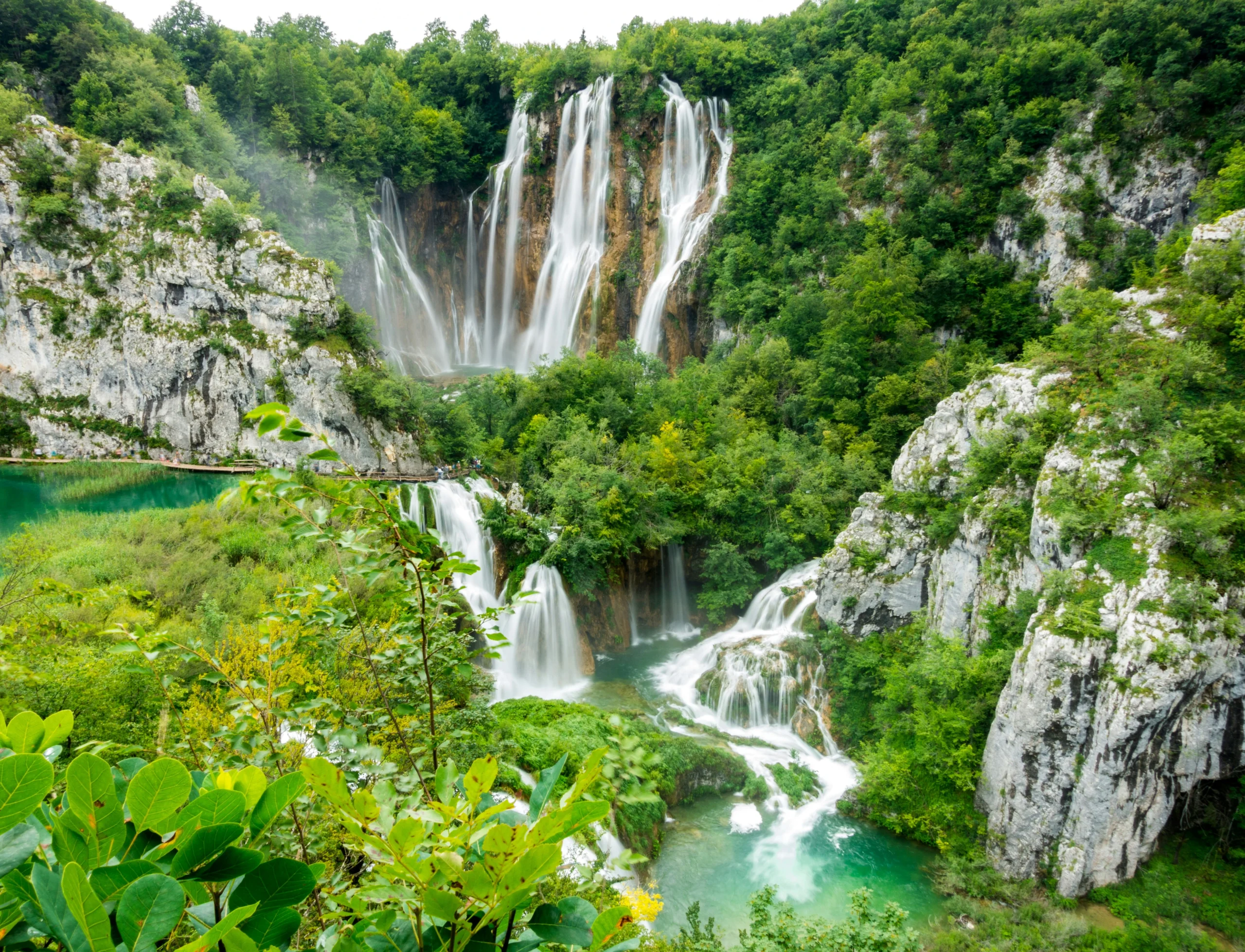
If you’ve ever seen photos of impossibly blue-green lakes connected by cascading waterfalls, there’s a good chance they were taken at Plitvice. This UNESCO World Heritage Site is made up of 16 terraced lakes that flow into one another, with wooden boardwalks and paths allowing visitors to explore the lakes up close.
Why it’s great for beginners: Several of the park’s shorter routes use well-maintained boardwalks and paths, making it possible to experience the main sights without tackling a demanding mountain hike. You can see many of the highlights in a few hours or spend a full day exploring the upper and lower lakes.
Best time to visit: Late spring (May–June) for lush scenery and strong waterfall flow, or September to skip the summer crowds.
Getting there: Plitvice is roughly a 2-hour drive from Zagreb or a bit longer from Split depending on your route and transport, making it an easy add-on to a Croatia itinerary.
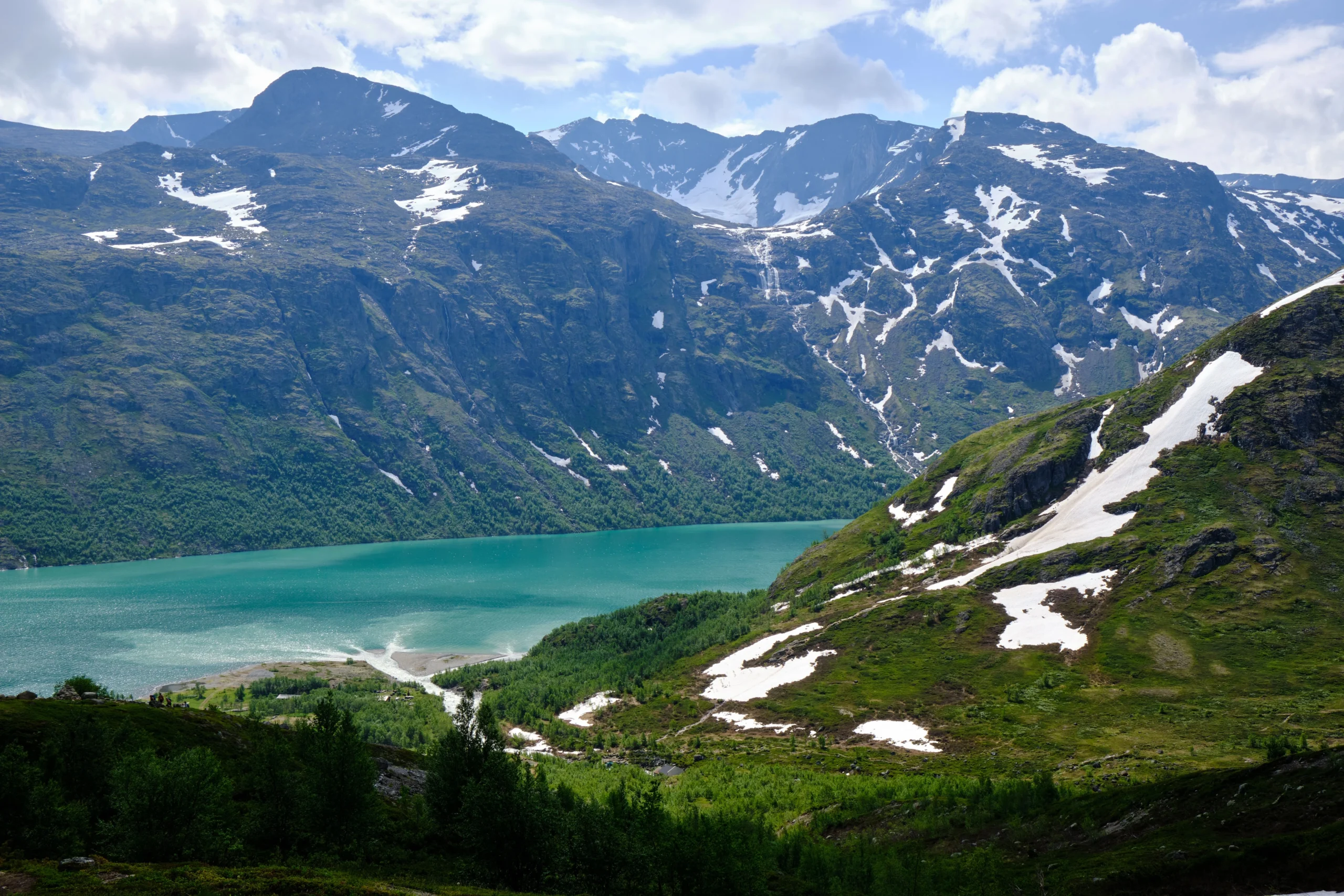
2. Jotunheimen National Park, Norway
The name means “home of the giants,” and once you see the jagged, glacier-capped peaks, you’ll understand why. Jotunheimen is home to Norway’s two highest mountains, Galdhøpiggen and Glittertind, along with more than 50 marked hiking trails winding through deep valleys and past electric-blue lakes.
Why it’s great for adventurers: Jotunheimen is a strong choice for hikers who want a more demanding mountain experience. Its most famous route, the Besseggen Ridge, follows a narrow ridgeline with lakes on either side. It’s a full-day hike of around eight hours and is best suited to hikers with some experience and a good head for heights.
Best time to visit: July and August, when the snow has cleared from most trails and mountain huts are open.
Getting there: The park is a few hours’ drive from Oslo, and several trailheads are accessible by public bus in summer.
3. Vatnajökull National Park, Iceland
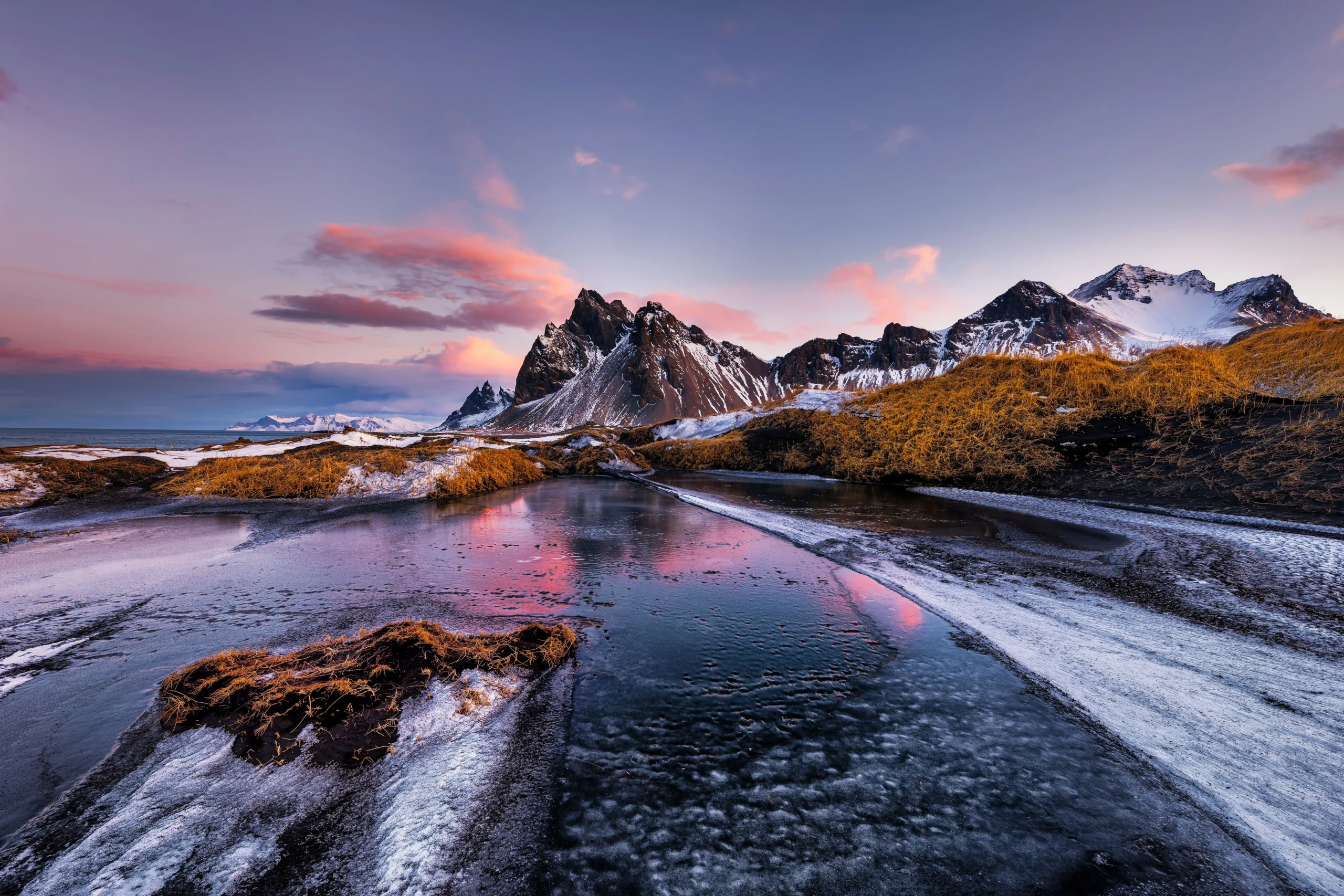
Vatnajökull covers about 14% of Iceland, making it one of the largest national parks in Europe. It’s built around Europe’s biggest ice cap, but “ice” only tells half the story; this park also holds active volcanoes, black sand deserts, and glacial lagoons dotted with floating icebergs.
Why it’s a landscape unlike anywhere else: Few landscapes combine volcanic and glacial features on such a dramatic scale. The park includes famous sights such as Jökulsárlón glacier lagoon and Skaftafell, which serves as a base for several shorter hikes and glacier viewpoints.
Best time to visit: Summer (June–August) for easier access and long daylight hours; winter if you want to explore ice caves (with a guide, this isn’t a solo activity).
Getting there: The park stretches along Iceland’s Ring Road, making it relatively easy to include in a longer road trip around the country.
4. Picos de Europa National Park, Spain
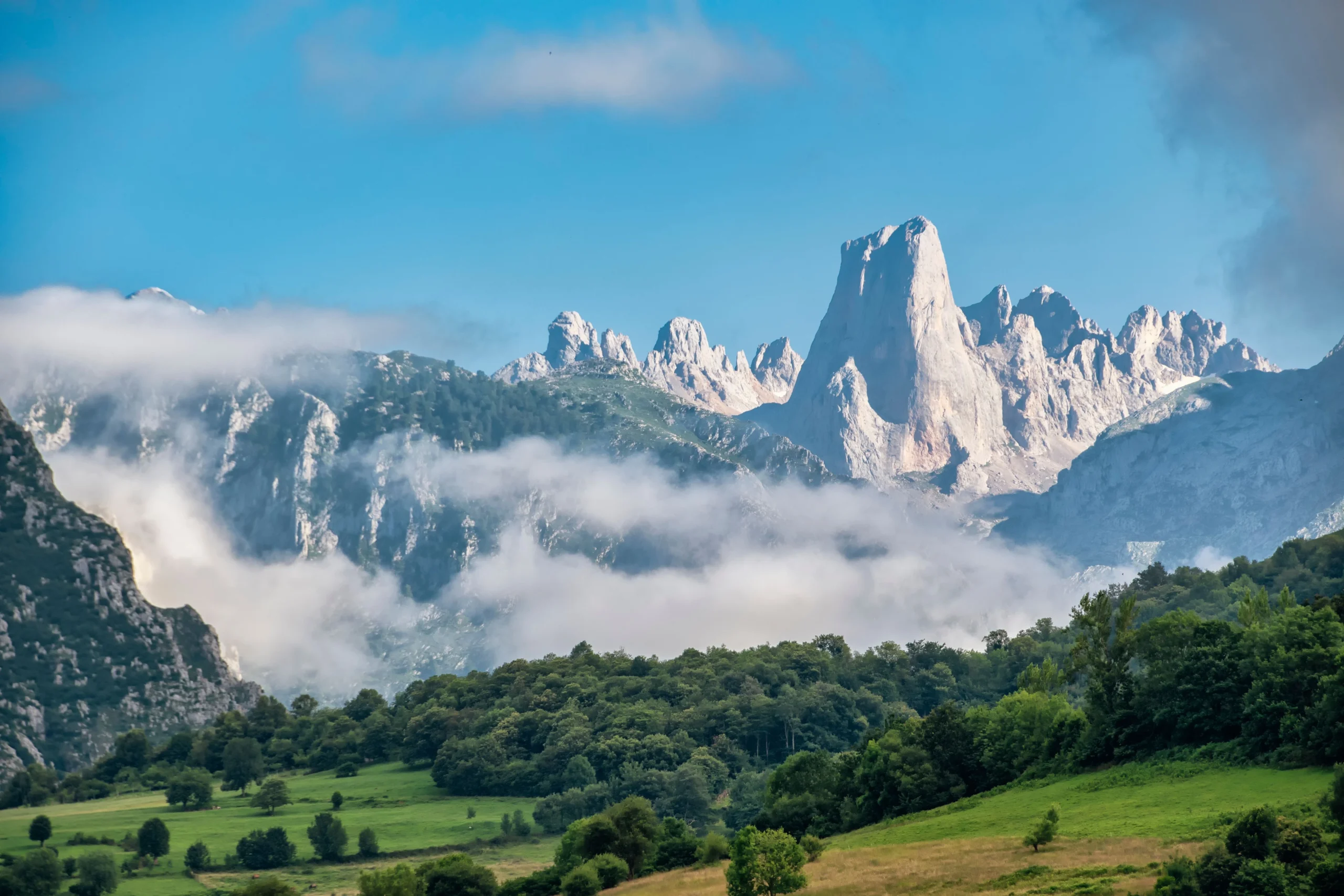
Tucked into northern Spain, Picos de Europa is a dramatic range of limestone peaks rising sharply from green valleys. One of its most famous routes, the Cares Gorge trail, is a path carved directly into the cliffside, passing through tunnels and along narrow ledges with sweeping valley views.
Why it’s worth it: You get high-mountain scenery without necessarily needing technical climbing skills. The Cares Gorge route is about 12 km (7.5 miles) one way between Poncebos and Caín.
Best time to visit: Late spring through early autumn, when trails are clear of snow.
Getting there: Oviedo is a useful base for exploring the region, with day-trip access to destinations such as the Covadonga Lakes and surrounding mountain villages.
5. Saxon Switzerland National Park, Germany
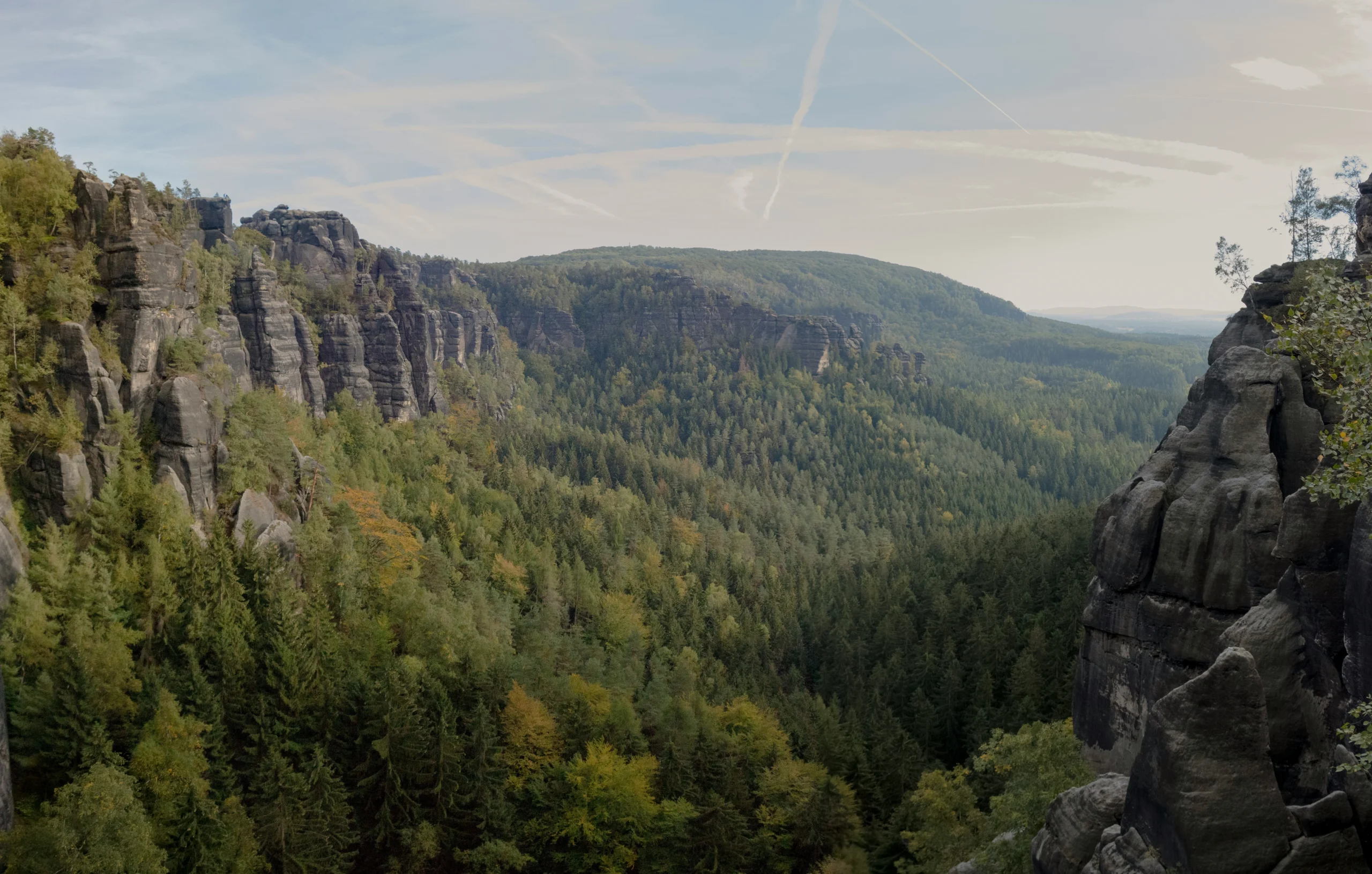
Despite the name, this park is entirely in Germany, near Dresden. It’s known for its sandstone cliffs, table-top mountains, forested valleys, and the iconic Bastei Bridge, a stone bridge that arches over a forest of rock towers.
Why it’s great for a shorter trip: Saxon Switzerland is relatively compact and easy to reach, making it a great option if you want dramatic scenery without committing to a multi-day trip.
Best time to visit: Autumn, when the forest colors set off the pale sandstone formations beautifully.
Getting there: The park is roughly an hour from Dresden, depending on your route and transport, making it a practical day-trip destination.
6. Triglav National Park, Slovenia
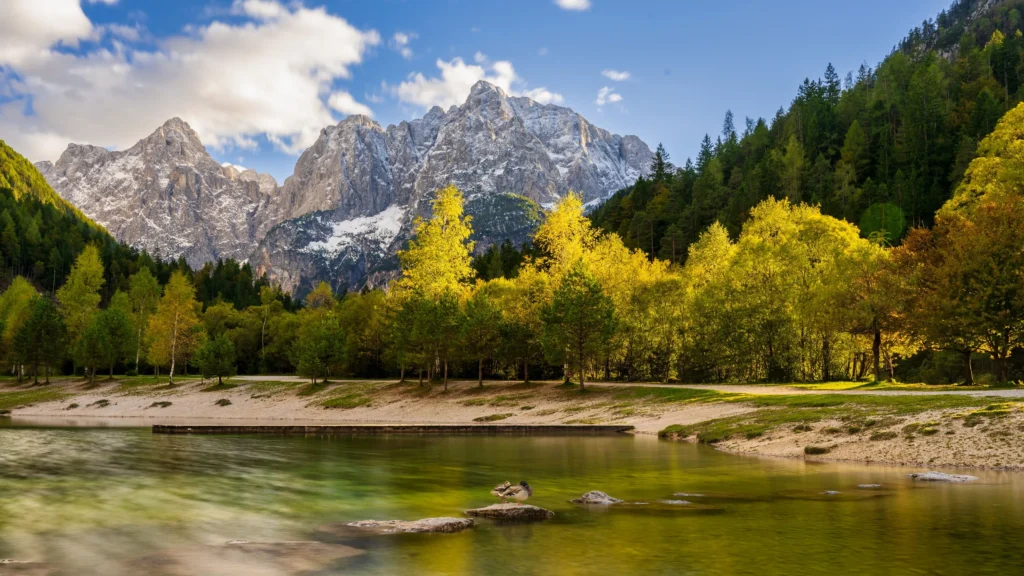
Named after Slovenia’s highest peak, Triglav National Park covers the country’s portion of the Julian Alps. Around the park, you’ll find the postcard-famous Lake Bled, while inside Triglav you’ll find Lake Bohinj, alpine meadows, and waterfalls like Savica.
Why it’s a great all-rounder: Triglav has options for every energy level, gentle lakeside walks, moderate day hikes to waterfalls, and serious alpine routes for experienced hikers aiming for the summit of Triglav itself.
Best time to visit: June to September for the best trail access and clearest weather.
Getting there: The park is about an hour from Ljubljana, Slovenia’s capital, by car.
7. Cinque Terre National Park, Italy
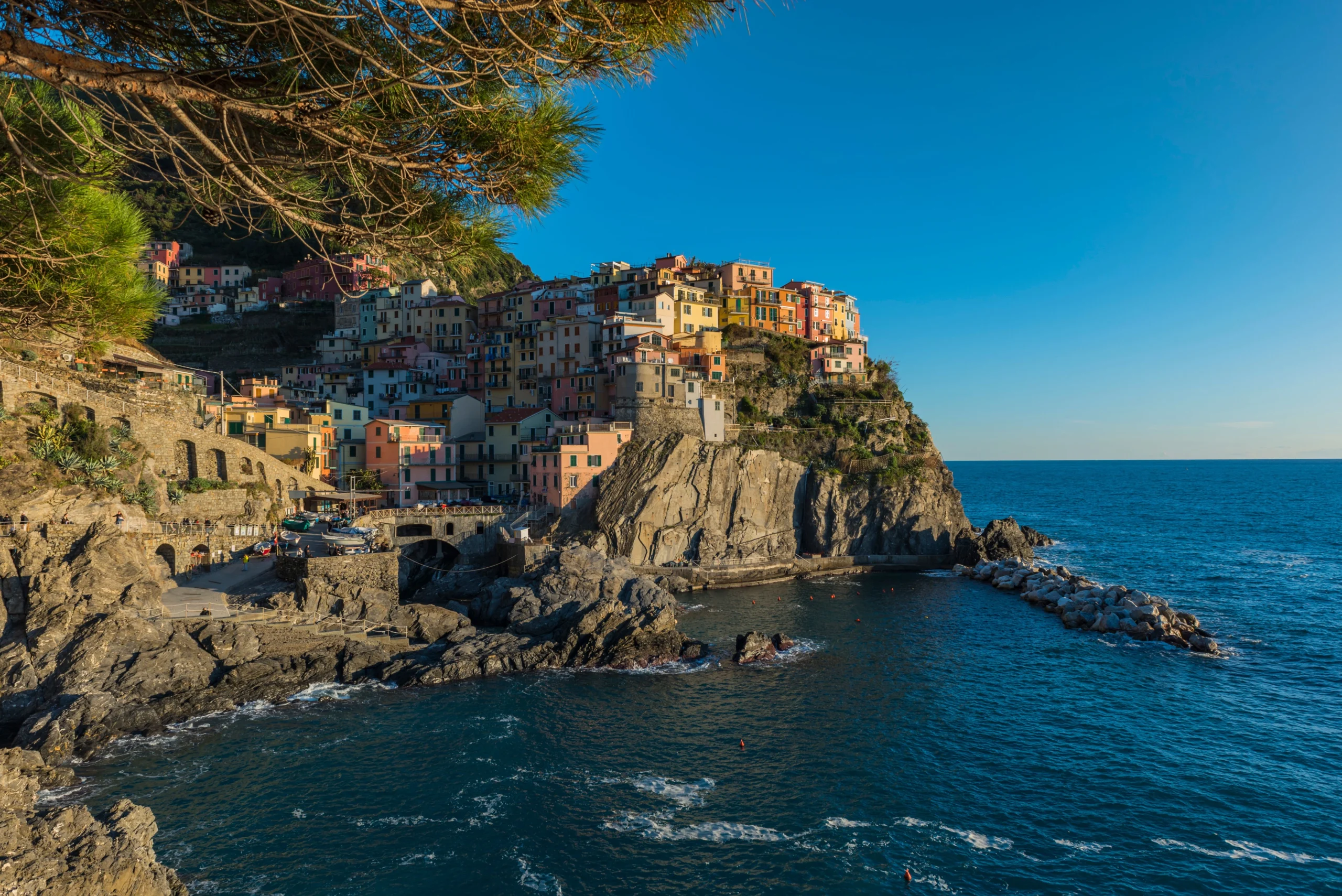
Italy’s smallest national park packs a lot into a small space. Five colorful cliffside villages are connected by coastal hiking trails, the most famous being the Via dell’Amore (“Path of Love”), which hugs the Ligurian Sea past the region’s famous terraced hillsides and vineyards. Access to the Via dell’Amore is currently regulated, with advance reservations required.
Why it’s easy to explore: Cinque Terre is particularly convenient for travelers who want to combine hiking with easy public transport. You can walk between villages where trails are open or use the regional train to skip a section and continue exploring.
Best time to visit: Spring or early autumn, when temperatures are generally more comfortable and summer crowds are lower.
Getting there: All five villages are connected by a regional train line, making Cinque Terre one of the easiest parks on this list to explore without a car.
8. Écrins National Park, France
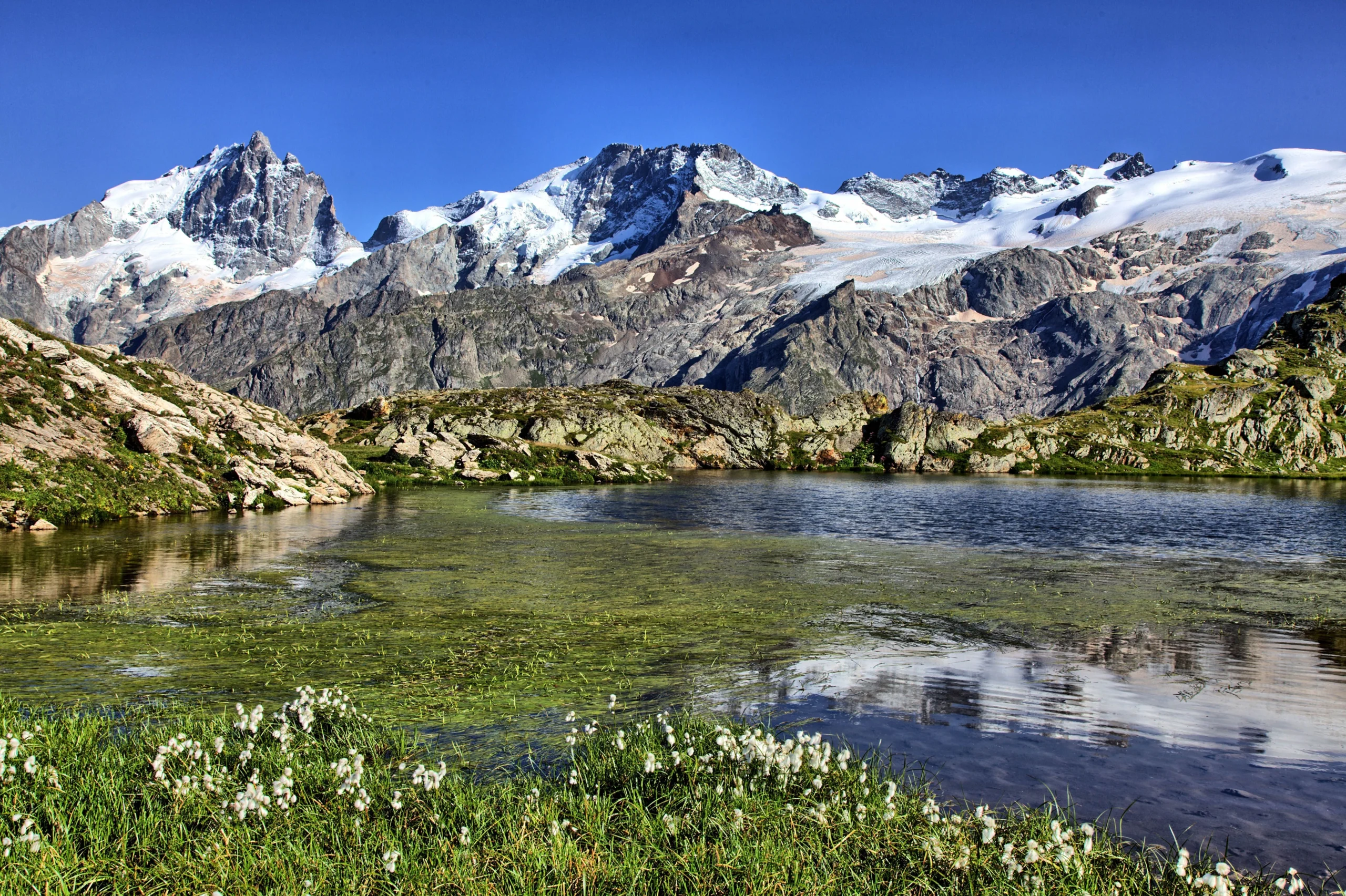
For serious mountain scenery in the French Alps, Écrins delivers. The park contains more than 150 peaks over 3,000 meters, including Barre des Écrins, the most southerly 4,000-meter peak in the Alps. Glaciers, high-altitude lakes, and chamois add to the alpine scenery.
Why it’s for the more adventurous: Écrins is best suited to hikers looking for a genuine high-mountain experience. Many of its standout routes, including the hike toward Glacier Blanc, involve significant elevation gain and require more preparation than the easier parks on this list.
Best time to visit: July and August, when many high-altitude routes are free of snow.
Getting there: The park sits near the Italian border in eastern France, with Grenoble as a common gateway city.
9. Peneda-Gerês National Park, Portugal
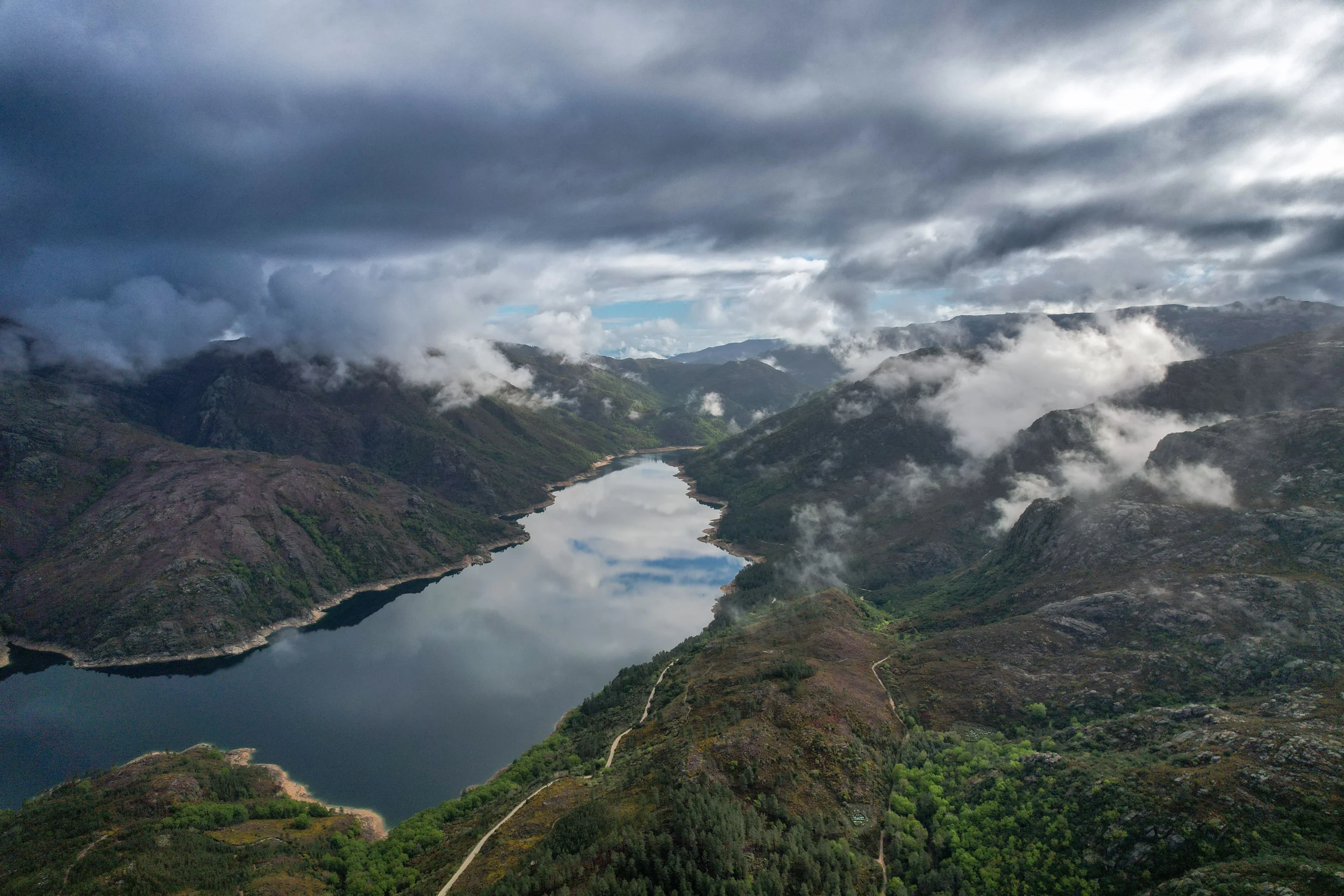
Portugal’s only national park, tucked into the country’s far north, feels wonderfully off the beaten path. Granite mountains rise above oak and pine forests, streams cut through the valleys, and old stone villages with traditional granaries cling to the hillsides.
Why visit: The park is home to Garrano ponies and lies within the range of the Iberian wolf, although wolf sightings are extremely rare. Its quieter atmosphere makes it a great pick if you want more solitude.
Best time to visit: Spring, when wildflowers cover the hills, or autumn for cooler hiking weather.
Getting there: The park is a couple of hours’ drive from Porto, and having a car makes exploring much easier since public transport within the park is limited.
10. Durmitor National Park, Montenegro
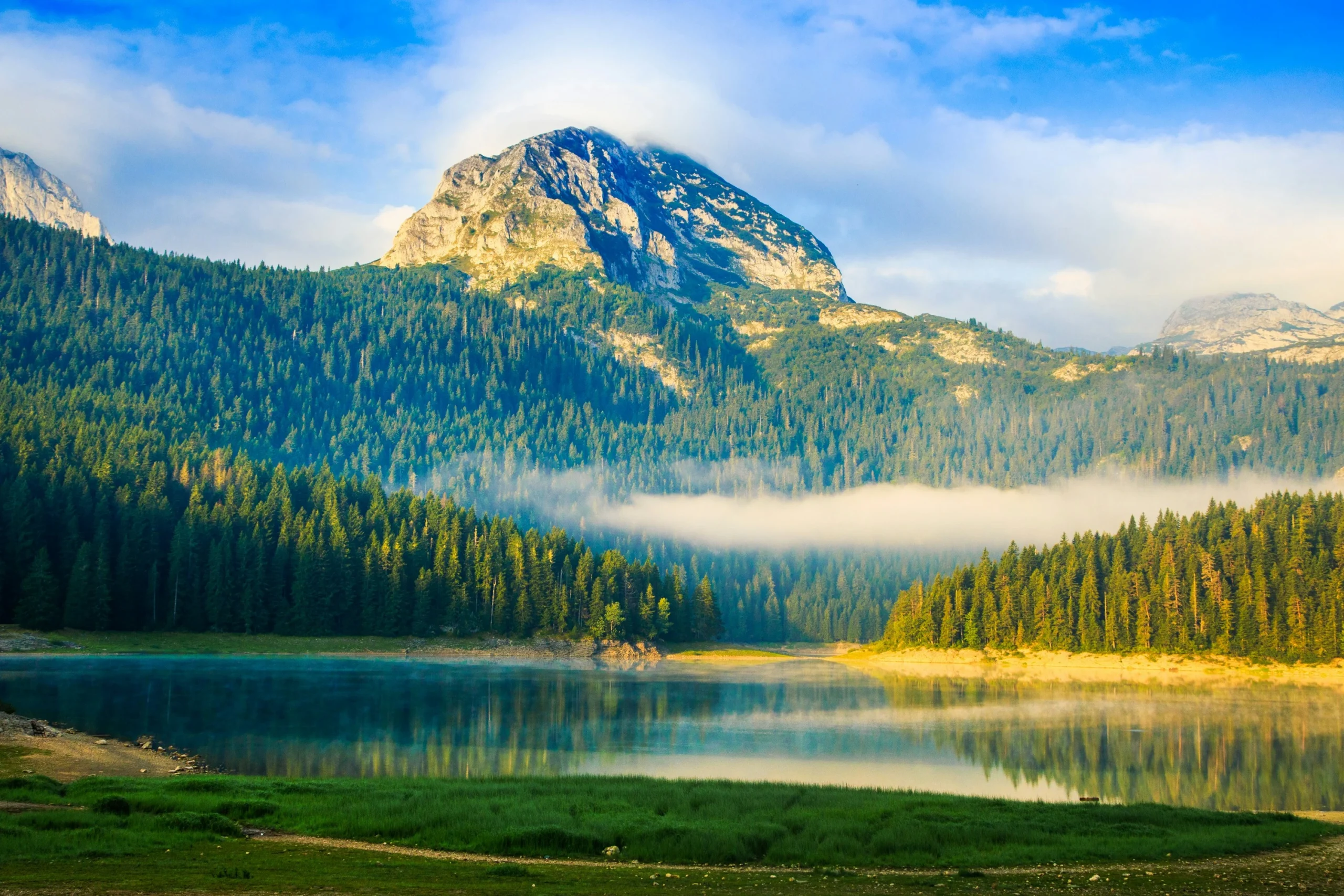
Durmitor is Montenegro’s crown jewel and a UNESCO World Heritage Site, built around the Durmitor mountain massif in the Dinaric Alps. Deep canyons, glacial lakes, and one of the country’s highest peaks, Bobotov Kuk, make this a rewarding stop for anyone chasing dramatic alpine scenery in the Balkans.
Why it’s a hidden gem: Durmitor can feel considerably quieter than some of Europe’s busiest alpine destinations, particularly away from its most popular viewpoints. The park also offers a range of hiking difficulty; Mount Prutaš offers views similar to Bobotov Kuk’s with a much easier climb.
Best time to visit: June to September, when mountain trails and huts are fully open.
Getting there: The town of Žabljak, right at the edge of the park, makes a good base for a few days of hiking.
💡 Bottom Line
For beginners, Plitvice and Cinque Terre are among the easiest choices. For serious mountain hiking, Jotunheimen, Écrins, Triglav and Durmitor offer much more demanding terrain.
Quick Tips for Visiting European National Parks
A little planning can make a big difference when visiting Europe’s national parks, especially during the busy summer months.
- Check entrance fees and reservations ahead of time. Most European national parks don’t charge a general entry fee, but specific attractions inside them, boat rides, guided tours, and ice cave visits often do.
- Book accommodation early in summer. Popular parks like Plitvice and Cinque Terre fill up fast during peak season (July–August).
- Pack layers, even in summer. Mountain weather can shift quickly, especially at higher elevations like Jotunheimen or Écrins.
- Consider shoulder season. Spring and autumn generally mean fewer crowds, comfortable temperatures, and depending on the park, wildflowers or fall color as a bonus.
- Match the park to your fitness level. This list ranges from accessible boardwalk routes (Plitvice) to full-day alpine treks (Jotunheimen, Écrins), so pick based on what sounds fun rather than what looks best in photos.
💡 Bottom Line
Choose your park based on the experience you want and the conditions you can comfortably handle. Before leaving, check the park’s official website for current access, trail, weather, and reservation information.
Final Thoughts
At Earthshine Journal, we think the best trips are the ones that leave you a little humbled by how big, old, and strange the natural world really is.
These 10 parks each tell a different story: glaciers carving through volcanic rock, rivers shaping limestone over thousands of years, and mountains that still shelter wolves and wild horses in their quieter corners.
Before you leave, check the park’s official website for current trail conditions, reservations, transport schedules, and seasonal restrictions. Wherever you decide to start, go slowly, stay on marked trails, pack out what you bring in, and leave room for the moments you can’t plan for.
Europe’s wild places have been here long before any of us. With a little care, they’ll still be waiting for the next traveler who comes looking for them.
Frequently Asked Questions
Some of the best national parks in Europe include Plitvice Lakes in Croatia, Jotunheimen in Norway, Vatnajökull in Iceland, Picos de Europa in Spain, Saxon Switzerland in Germany, Triglav in Slovenia, Cinque Terre in Italy, Écrins in France, Peneda-Gerês in Portugal, and Durmitor in Montenegro. They offer a wide variety of landscapes, from glaciers and alpine peaks to waterfalls, forests, lakes, and dramatic coastlines.
Plitvice Lakes, Cinque Terre, and parts of Triglav National Park are particularly suitable for beginners. Plitvice has accessible boardwalk routes, while Cinque Terre combines coastal walking with convenient train connections between its villages. Triglav offers a range of trails, from gentle lakeside walks to more demanding alpine routes.
The best time depends on the park and the activities you want to enjoy. Late spring and early autumn are generally excellent for many European parks because of milder weather and fewer crowds. High-altitude parks such as Jotunheimen and Écrins are usually best in July and August, while parks such as Triglav and Durmitor have their best trail access from June through September.
For dramatic mountain hiking, Jotunheimen, Écrins, Picos de Europa, Triglav, and Durmitor are excellent choices. Jotunheimen is known for routes such as the Besseggen Ridge, while Picos de Europa offers the Cares Gorge route. Écrins is better suited to experienced hikers, whereas Triglav and Durmitor provide options for different ability levels.
Some do, while others do not have a general park entrance fee. However, individual attractions and activities may charge separately for things such as boat rides, guided tours, or special excursions. Fees and reservation requirements can also change by park and season, so it is best to check the official park website before visiting.