
Picture a cool October evening. The leaves are dropping, the fields are bare, and a huge golden Moon climbs over the horizon just as the Sun slips away. That is the Hunter’s Moon, and it is one of the loveliest full Moons of the year.
In 2026, the Hunter’s Moon reaches its peak on October 26. But the best show starts the evening before. Here is what the name means, the exact date and time for your part of the world, and a simple three-night plan to enjoy it.
Hunter’s Moon 2026 at a glance
| Peak: Monday, October 26, 2026, at 12:12 a.m. EDT (about 04:12 UTC), according to The Old Farmer’s Almanac Best evenings to watch: Sunday, October 25, and Monday, October 26 Where it fits in the year: the 11th of 13 full Moons in 2026, since May has two Supermoon? No. The next two full Moons are, though |
What Is the Hunter’s Moon? (Meaning and History)
The Hunter’s Moon is the name for October’s full Moon. More exactly, it is the full Moon that follows the Harvest Moon.
So why “hunter”? The name comes from the time of year. By late October, farmers had brought in their crops, and the fields were cleared. Leaves were falling, so animals were easier to spot in the open. Deer and other wild game had fattened up over the summer. And the bright Moon rising right after sunset gave hunters extra light in the evening. The Old Farmer’s Almanac explains that families used this season to hunt, preserve meat and stock up for the long winter.
The name has real age behind it. NASA notes that the earliest written use of “Hunter’s Moon” found in the Oxford English Dictionary dates to 1710. That makes it more than 300 years old in print.
| Did you know? The name comes from farming and hunting folklore, not from anything you can see on the Moon itself. The Moon looks the same in October as in any other month. |
Other Names Associated with the October Full Moon
October’s full Moon has picked up many nicknames over the years:
- Travel Moon and Dying Grass Moon. NASA says these come from lists of full Moon names first published by the Maine Farmer’s Almanac in the 1930s, which credited them to Algonquin tribes of the northeastern United States.
- Sanguine Moon or Blood Moon. This is an old hunting-season name. It has nothing to do with a lunar eclipse.
- Falling Leaves Moon, Freezing Moon and Drying Rice Moon. These are among the Native American names listed by timeanddate.
In the Southern Hemisphere, the seasons are flipped, so October means spring. That is why some southern names are about new life, such as Egg Moon, Seed Moon and Waking Moon.
A quick note on honesty: full Moon names come from many cultures, and no single list is the “official” one. The popular English lists you see today were shaped by almanacs, so treat them as folklore rather than strict history.
Hunter’s Moon 2026 Date
The Hunter’s Moon peaks on Monday, October 26, 2026. A full Moon is really one exact moment, when the Moon sits directly opposite the Sun. The date you see depends on your time zone. In North and South America, for example, the peak lands on the evening of Sunday, October 25.
Hunter’s Moon vs. Harvest Moon
These two are easy to mix up, so here is the simple rule:
- The Harvest Moon is the full Moon closest to the September equinox. In 2026, that was September 26.
- The Hunter’s Moon is the next full Moon after it. In 2026, that is October 26.
Most years, the Harvest Moon falls in September and the Hunter’s Moon follows in October. Every few years, the Harvest Moon lands in early October instead. When that happens, the Hunter’s Moon slides into November.
Hunter’s Moon 2026 Time
Here is the peak moment in cities around the world. Remember that the Moon looks full to your eyes for about three days around the peak, so you do not need to catch the exact minute.
| City | Peak time |
|---|---|
| UTC | 4:12 a.m., Oct 26 |
| New York (EDT) | 12:12 a.m., Oct 26 |
| Chicago (CDT) | 11:12 p.m., Oct 25 |
| Denver (MDT) | 10:12 p.m., Oct 25 |
| Los Angeles (PDT) | 9:12 p.m., Oct 25 |
| London (GMT) | 4:12 a.m., Oct 26 |
| Paris and Berlin (CET) | 5:12 a.m., Oct 26 |
| Dubai (GST) | 8:12 a.m., Oct 26 |
| Islamabad and Karachi (PKT) | 9:12 a.m., Oct 26 |
| New Delhi (IST) | 9:42 a.m., Oct 26 |
| Tokyo (JST) | 1:12 p.m., Oct 26 |
| Sydney (AEDT) | 3:12 p.m., Oct 26 |
If the peak happens in daylight where you live, do not worry. Just watch the Moonrise that evening. The Moon will still look completely full. And because the peak is a single instant, sources sometimes list it a minute apart (12:11 or 12:12 a.m. EDT). Both are correct within rounding.
How to See the Hunter’s Moon: The 3-Night Plan
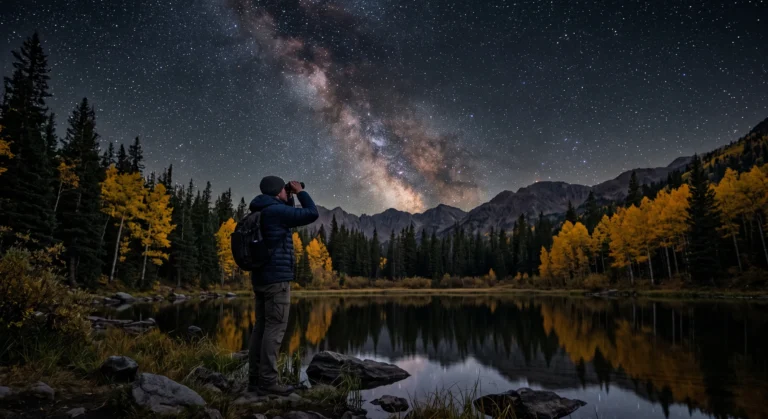
You do not need a telescope. You need a clear view to the east and a little patience. Instead of hunting for one perfect moment, try this three-night plan. Each night has its own mood.
Night 1: The Warm-Up (Saturday, October 24)
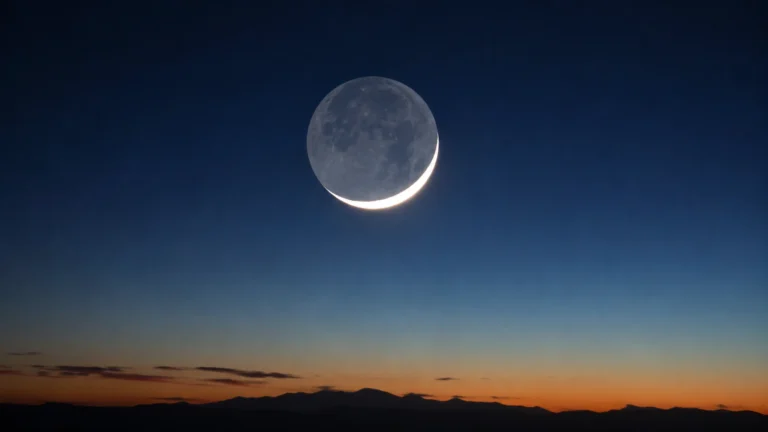
The Moon is almost full, with just a sliver missing on one side. It rises in the late afternoon. This is the night to scout your spot. Find an open place with a low, clear eastern horizon, like a hilltop, a beach, a field or a rooftop. You get the same view with fewer people around.
Night 2: The Main Event (Sunday, October 25)
This is your best night. A full Moon rises around sunset, so plan to be in place about 15 to 20 minutes early. Look toward the east and wait. Look up your city’s exact moonrise time before you go. Sites like timeanddate let you check by location.
Expect a treat as the Moon climbs. A low Moon often glows yellow or orange because its light travels through more of Earth’s atmosphere to reach you.
Night 3: The Encore (Monday, October 26)
The Moon has just passed its peak, but it still looks full. Here is a fun bonus. At this time of year, the Moon rises only about 30 minutes later each night in many Northern Hemisphere locations instead of the usual 50. So the Moon shows up soon after sunset on all three nights, which gives you bright evenings in a row. That is the same trick that helped farmers and hunters long ago.
| Did you know? The Hunter’s Moon is not a supermoon. According to retired NASA astrophysicist Fred Espenak’s list, 2026’s supermoons fall on January 3, November 24 and December 24. Some websites label October’s Moon a supermoon, but that does not match this list. |
A Few Easy Extras
- Dress warm. Late October evenings can get chilly once the Sun is gone. Bring a chair and a hot drink.
- Try binoculars. A full Moon is flat and bright, so you will not see many shadows. But you can still spot the dark patches, which are huge plains of ancient lava.
- Photograph it on your phone. Tap the Moon on your screen and slide the brightness down. Otherwise it turns into a white blob.
- Look for the season. Many faiths and cultures mark the October full Moon. Depending on the year, it can fall near festivals such as Sharad Purnima or Pavarana. Check your local calendar.
What Comes Next: The Beaver Moon and the Cold Moon
The Hunter’s Moon opens a strong finish to the year. Your next two full Moons are both supermoons, so they look a little bigger and brighter than usual.
On November 24, the Beaver Moon rises. It is named for the time when beavers get busy preparing for winter. Then on December 24, the Cold Moon brings the closest supermoon of 2026, just in time for Christmas Eve.
If you enjoy the Hunter’s Moon, keep the habit going. Three full Moons in a row, each with its own story, make a fine way to spend the last stretch of the year.
Final Thoughts
The Hunter’s Moon is a reminder that people have looked up at this same glow for centuries and used it to get through the season. You can enjoy it the same way. Step outside on the evening of October 25, face east, and wait for the Moon to rise. Take a few slow breaths, watch the color change, and let the cold air wake you up. You do not need special gear. You just need a little time under a very old light.
FAQ
The Hunter’s Moon peaks on Monday, October 26, 2026, at 12:12 a.m. EDT (about 04:12 UTC). In the Americas, that lands on the evening of Sunday, October 25. The Moon looks full for about three days around the peak, so both evenings work well.
October’s full Moon got its name from the hunting season. Fields had been cleared after the harvest, game animals were well fed, and the bright Moon rising near sunset gave hunters extra evening light. NASA says the name has been in print since at least 1710.
The Harvest Moon is the full Moon closest to the September equinox. The Hunter’s Moon is the next full Moon after it. In 2026, the Harvest Moon was on September 26 and the Hunter’s Moon comes on October 26.
No. According to Fred Espenak’s supermoon list, the supermoons of 2026 fall on January 3, November 24 and December 24. Some websites label October’s Moon a supermoon, but that does not match this list.
Only by an old name. “Blood Moon” or “Sanguine Moon” is a traditional nickname for October’s full Moon, linked to hunting before winter. It does not mean an eclipse, and no eclipse happens with this full Moon. Your Moon will look white, gold or orange, depending on how low it sits in the sky.
Watch the Moonrise. A full Moon rises around sunset, so go out about 15 to 20 minutes early on October 25 or 26 and look east. Check your city’s exact moonrise time on timeanddate.
No. Your eyes are enough, and binoculars are a nice extra. A clear view of the eastern horizon matters more than any gear.
The next full Moon is the Beaver Moon on November 24, 2026. It is followed by the Cold Moon on December 24.