
Custer State Park looks like one camping destination on a map. In practice, choosing where to pitch a tent can change the entire experience.
The park covers 71,000 acres of granite formations, pine forests, lakes, open grassland, and a free-roaming herd of roughly 1,300 bison. It also has eight main campgrounds for general campers, each with a different setting, level of convenience, and access to the park’s trails and wildlife areas.
For tent campers, the choice usually comes down to a few practical questions: Do you want to wake up beside one of the Black Hills’ most scenic lakes? Would you rather have a more central base for exploring the park? How far ahead are you willing to reserve? And how comfortable are you camping in a place where bison can wander surprisingly close?
There isn’t one campground that is best for everyone. Sylvan Lake is the standout for scenery and hiking, while Game Lodge is the more practical choice for a central, flexible base. The other campgrounds have their own advantages, and we’ll break them down before getting into the rules, wildlife, and gear that can make or break a tent-camping trip here.
Which Campground Is Best for Tent Camping in Custer State Park?
Custer State Park has several developed campgrounds, but they are not interchangeable. Some are better for simple tent setups, some put you closer to the lakes, and others make a better base for exploring the park by car.
For most tent campers, these are the seven campgrounds worth comparing.
Custer State Park Campground Comparison
| Campground | Sites | Tent Base Price* | Open Season (Full Facilities) | Key Features | Best For |
| Blue Bell | 31 | $16/night | May 1 – Nov 1 | Pine forest, near horse stables, store, and lodge. | A quieter setting away from the busiest areas. |
| Center Lake | 71 | $16/night | May – Sept 30 | Swim beach, boat dock, no electricity, same-day booking. | Last-minute trips and smaller camping setups. |
| Game Lodge | 59 | $16/night | May 1 – Nov 1 | Showers, flush toilets, near visitor center and General Store. | Convenience, central access, and families. |
| Grace Coolidge | 20 | $16/night | May – Oct | Split by the highway, features 6 dedicated tent-only sites. | Wooded setting with quick access to the center. |
| Legion Lake | 26 | $34/night | May – Oct | Across the highway from the lake, electric hookups available. | Campers wanting modern amenities near the water. |
| Stockade North | 42 | $16/night | May – Oct | Non-electric and electric sites available. | Access to the town of Custer on the western side. |
| Stockade South | 23 | $16/night | May – Oct | Tucked south of the lake, flush toilets and showers. | A quieter base near the historic Gordon Stockade. |
*Prices are for basic, non-electric tent sites. Modern sites with electric hookups generally run between $23 and $34 per night.
And Then There’s Sylvan Lake
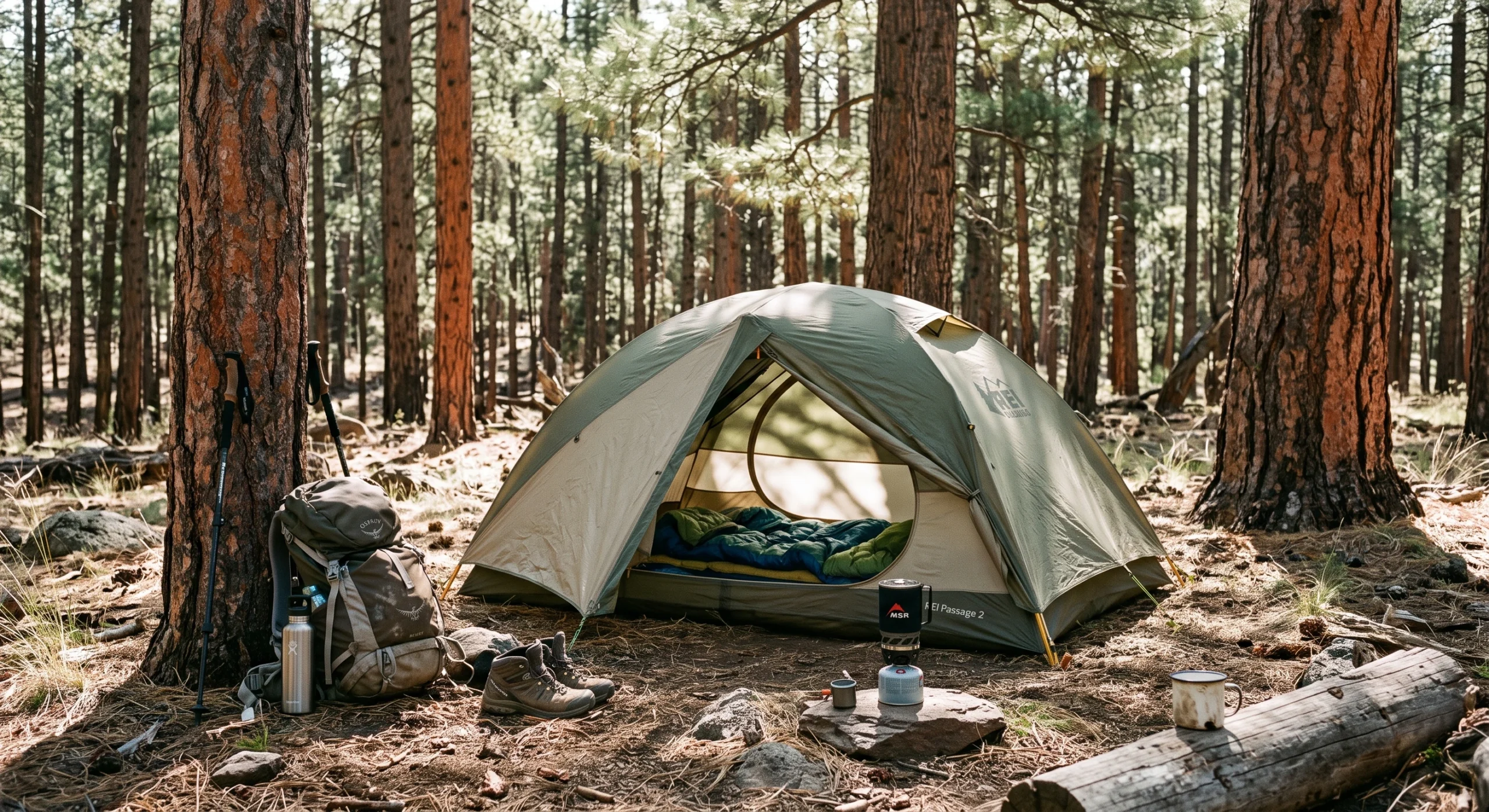
Sylvan Lake deserves its own category. At 6,200 feet, it is the highest campground in Custer State Park and sits just a short stroll from Sylvan Lake, one of the park’s most scenic spots.
The campground’s 39 sites are close together and cannot accommodate RVs over 27 feet. While that is a downside for large rigs, it makes the campground particularly appealing to smaller tent-camping setups. It also puts you right at the trailhead for some of the park’s best-known hikes.
If scenery and hiking are your priorities, Sylvan Lake is the campground I’d look at first. If convenience, central access, and a wider range of facilities matter more, Game Lodge is the safer choice.
💡 Bottom Line: There isn’t one universally best campground in Custer State Park. For tent campers, Sylvan Lake is the standout for scenery and hiking, while Game Lodge is the better all-round base for convenience and access.
Most tent campers end up choosing between two of these. Which brings us to the real question.
Sylvan Lake vs. Game Lodge: The One Debate That Matters
If you’re narrowing your choices down to two campgrounds, start with Sylvan Lake and Game Lodge. They offer very different camping experiences, and choosing between them mostly comes down to what you want to do once you’ve set up your tent.
Sylvan Lake: Choose It for Scenery and Hiking
Sylvan Lake is the obvious choice if the campground itself is part of the experience. It sits about a quarter-mile south of the lake, at 6,200 feet, making it the highest campground in Custer State Park. The lake, granite formations, and surrounding forest give the area a distinctly different feel from the more open, central campgrounds.
It’s also the better base if hiking is high on your list. The Sylvan Lake area provides access to trails leading toward Black Elk Peak and Sunday Gulch, so you can spend less time driving and more time on the trail.
There is a catch: the campground’s 39 sites are close together and aren’t suitable for large tents or RVs over 27 feet. If you’re bringing a simple tent setup, that limitation is much less of a problem.
Game Lodge: Choose It for Convenience
Game Lodge is the practical alternative. Its 59 sites are centrally located near the Visitor Center and the junction of US Highway 16A and Wildlife Loop Road, making it a convenient base for exploring different parts of the park.
Grace Coolidge Creek runs through the campground, with a swimming beach and playground nearby. There are also flush toilets, showers, drinking water, and a dump station, while the nearby State Game Lodge and Coolidge General Store add restaurants, supplies, fuel, and other conveniences. Buffalo Safari Jeep rides also operate in the area.
That makes Game Lodge a better fit if you’re planning to spend your days driving the Wildlife Loop, visiting different parts of the park, or camping with family and want easier access to facilities.
So, Which One Should You Book?
| Choose Sylvan Lake if: hiking, scenery, and a smaller tent-focused campground are your priorities. |
| Choose Game Lodge if: convenience, facilities, central access, and wildlife-viewing drives matter more. |
If I were planning a trip primarily around hiking, I’d choose Sylvan Lake. If the goal were to explore more of Custer State Park by vehicle while keeping a comfortable campground as a base, Game Lodge would be my pick.
The bigger challenge is getting the site you want. Custer State Park accepts campground reservations one year in advance, so popular summer dates are worth planning for early. Center Lake is the notable exception, with its sites available through same-day reservations.
Camping Next to 1,300 Free-Roaming Bison
Camping in Custer State Park means sharing the landscape with wildlife that isn’t behind a fence. Bison can appear along roads, trails, and sometimes near developed areas, so understanding how to give them space is part of camping here.
Custer State Park’s rule is simple: stay at least 100 yards from bison, elk, and other wildlife. That’s not a suggestion to ignore when an animal looks calm. A bison can appear completely relaxed while still being capable of reacting quickly if you get too close.
There’s an easy way to judge the distance in the field. Hold your arm straight out toward the animal and raise your thumb. If your thumb doesn’t completely cover the bison from view, you’re too close. It’s a simple rule of thumb, but it can prevent the temptation to keep walking forward for a better photograph.
Pay attention to the animal’s behavior, too. Pawing the ground, snorting, swinging or raising its tail, and lowering its head can all signal agitation. If a bison starts reacting to your presence, increase the distance immediately. Never approach an animal simply because it appears to be ignoring you.
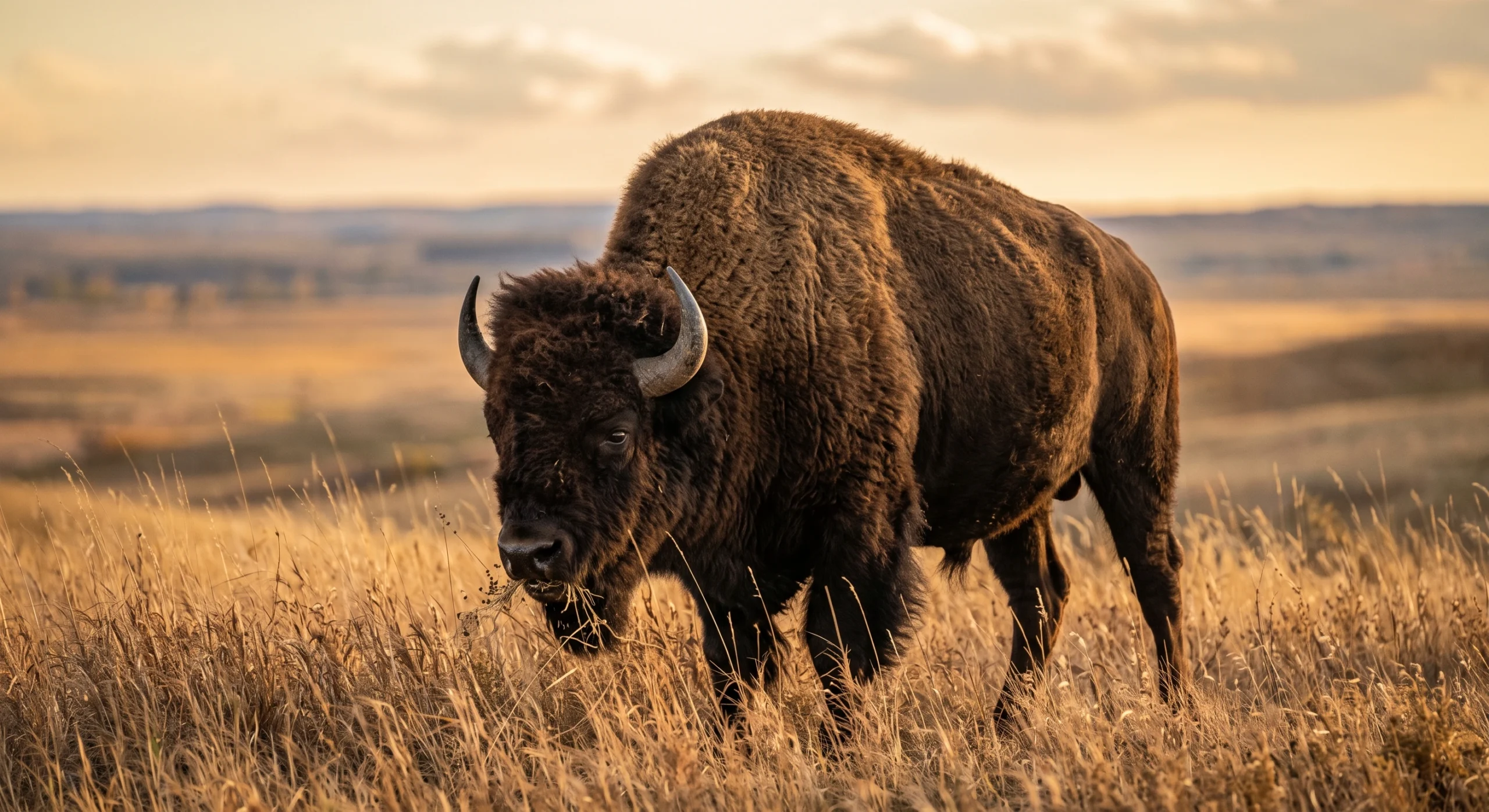
Bison can run at speeds of around 35 mph, so trying to outrun one on foot is not a realistic safety plan. The safer strategy is to maintain distance in the first place and give the animal plenty of room to move.
Why the 100-Yard Rule Matters
This isn’t theoretical advice. In May 2026, a 70-year-old Canadian woman died after being struck by a bull bison while hiking in Custer State Park. She and her husband had encountered several bison on the Grace Coolidge Trail before the animal charged. It was the park’s first fatal bison attack in more than 20 years. (people.com)
A separate incident in 2022 left a 19-year-old British tourist seriously injured after she was gored by a bison in the park. (theguardian.com)
The lesson isn’t that Custer State Park is unsafe. Thousands of people visit and camp here every year without incident. It’s that wildlife safety depends on respecting the animal’s space, even when the animal seems uninterested in you.
If a bison wanders near your campsite, don’t approach it for a photograph. Stay inside your tent or vehicle if necessary and give the animal time to move through the area. Never try to drive, walk, or photograph your way closer.
💡 Bottom Line: Bison are one of the best parts of a Custer State Park trip, but they are still wild animals. Keep at least 100 yards away, never follow one that moves away from you, and give it plenty of room to pass.
What to Actually Pack for the Trails Out of Sylvan Lake
If you’re camping at Sylvan Lake, two of the park’s best-known hikes are close at hand: Sunday Gulch Trail and Black Elk Peak. They aren’t difficult for exactly the same reasons, so your gear should account for steep, rocky terrain, changing weather, and limited water along the trails.
Sunday Gulch Trail
According to the official Custer State Park trail guide, the 3-mile Sunday Gulch loop is rated strenuous and usually takes about two to four hours. The trail winds through a rocky gorge with steep sections, uneven terrain, and plenty of scrambling.
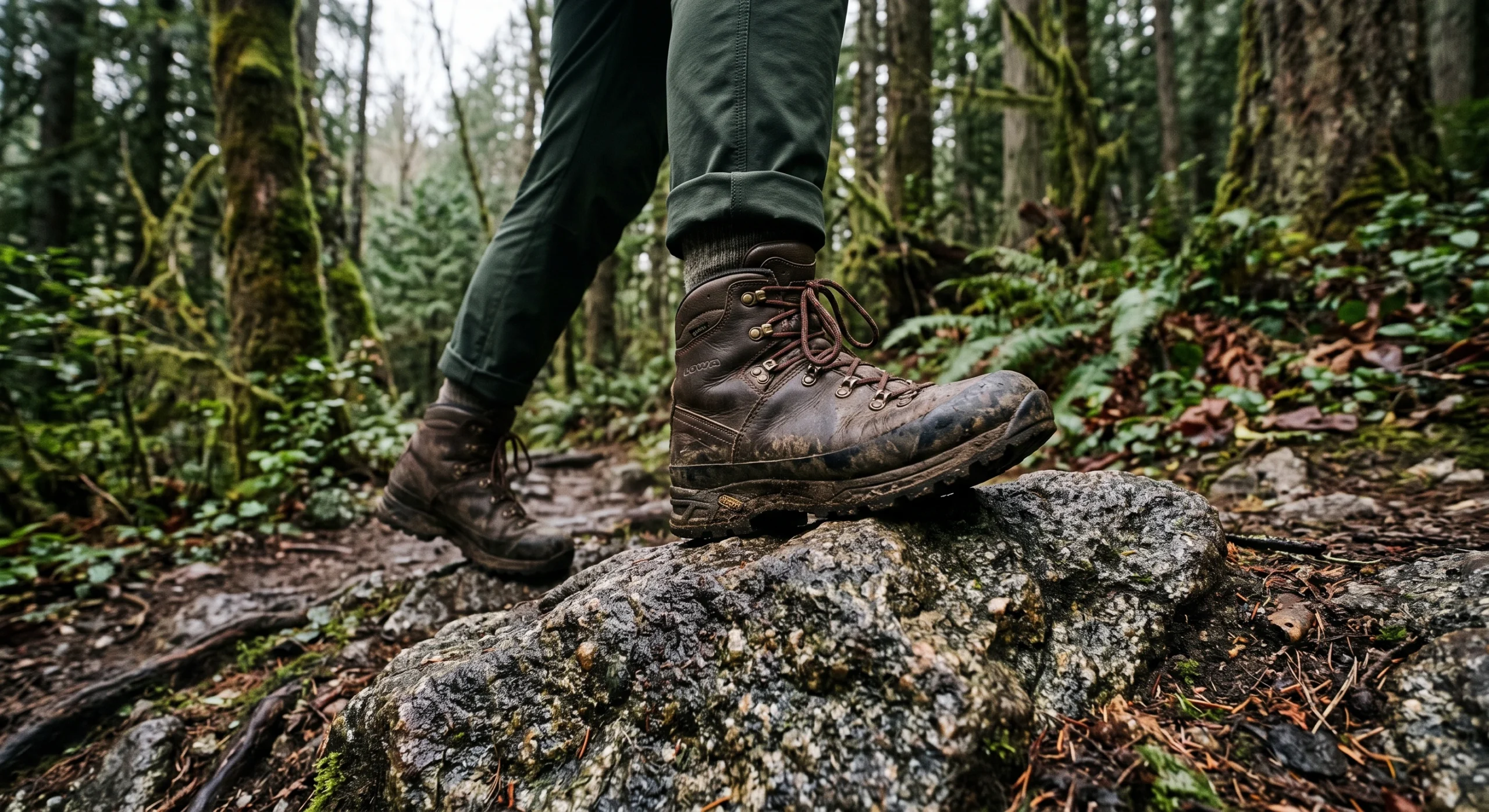
This is not the place for worn-out sneakers with smooth soles. Wear sturdy hiking shoes or boots with good traction, and expect to use your hands occasionally on steeper sections.
Black Elk Peak
The Black Elk Peak trails from the Sylvan Lake area are longer but offer a very different experience. The routes from Sylvan Lake are roughly 3.3 to 3.5 miles one way, depending on the trail you take, making the round trip around 6.6 to 7 miles. The summit reaches 7,242 feet, the highest point in South Dakota.
The combination of elevation, exposed rock, and rapidly changing weather makes preparation more important than the distance alone suggests.
For either hike, pack:
- Plenty of water. The park recommends carrying at least one quart per person, and there are no reliable water sources along the Black Elk Peak trails.
- A rain shell. Summer thunderstorms can arrive quickly and may bring heavy rain, hail, and strong winds.
- Sun protection. Much of the higher terrain is exposed, particularly around the summit.
- A downloaded or physical map. Cell service shouldn’t be something you rely on for navigation in the backcountry. The park itself recommends having an offline mapping option available.
- Sturdy footwear. The rocky terrain makes good traction more useful than lightweight shoes designed only for easy trails.
One more thing: don’t underestimate the weather because the trailhead feels comfortable. Conditions at higher elevations can change quickly, and the official trail guide specifically warns hikers about thunderstorms, hail, strong winds, and rain.
If You Want Something More Rugged
The French Creek Natural Area is a completely different experience from the developed campgrounds around Sylvan Lake. It is a primitive backcountry area with no marked trail in places, and hikers cross the creek repeatedly as they make their way through the valley. Fires are prohibited in the natural area.
This isn’t a casual extension of a campground hike. It is better suited to experienced hikers who are comfortable navigating without the infrastructure found on the park’s developed trails.
Basic direction-finding skills without a compass can also be useful in unfamiliar terrain, although they should supplement rather than replace a proper map or offline GPS.
💡 Bottom Line: You don’t need an elaborate gear list for Custer’s popular trails, but you do need to respect the terrain and weather. Carry enough water, wear footwear with good traction, bring rain protection, and have an offline map before leaving camp.
FAQ
Yes. Every vehicle needs a park entrance license, which is completely separate from your nightly camping fee. A 7-day temporary vehicle license for Custer specifically costs $25. If you plan to visit other parks, an annual license covers every South Dakota state park and costs $40 for residents or $60 for nonresidents.
Custer State Park takes campsite reservations exactly 365 days in advance. This catches out-of-state visitors off guard because the rest of the South Dakota state park system runs on a 90-day window. If you want a summer weekend at Sylvan Lake, you need to be online right when that day’s window opens a year prior. The only exception is Center Lake, which is strictly same-day reservations.
Checkout at Custer State Park is at noon. Do not plan for the 4:00 p.m. checkout time that applies at every other South Dakota state park.
Yes. Every developed site has a fire grate and a picnic table, and propane stoves are perfectly fine. If you are hauling in your own firewood, you must check whether your home county falls inside an emerald ash borer quarantine zone first. Honestly, it is much simpler to just buy a clean bundle at the camp store.
Pets are welcome but must be kept on a leash no longer than 10 feet. They are not allowed on swimming beaches or inside park buildings.
The Custer State Park Buffalo Roundup is held on the last Friday of September. In 2026, it takes place on September 25. The event draws tens of thousands of spectators to watch riders move the herd across the park. Campgrounds for that entire week book up instantly, so plan a full year out if you want to attend.
Final Thoughts
You will not outrun a 2,000-pound animal that can hit highway speeds, so do not try. Keep your hundred yards, book your site a year in advance, and bring good boots. If you handle those three practicalities, a tent camping trip in Custer State Park will take care of itself.
Whether you wake up to the granite spires of Sylvan Lake or the convenient creekside mornings at Game Lodge, it is one of the best outdoor experiences the Black Hills has to offer.